Spring and the Element of Wood
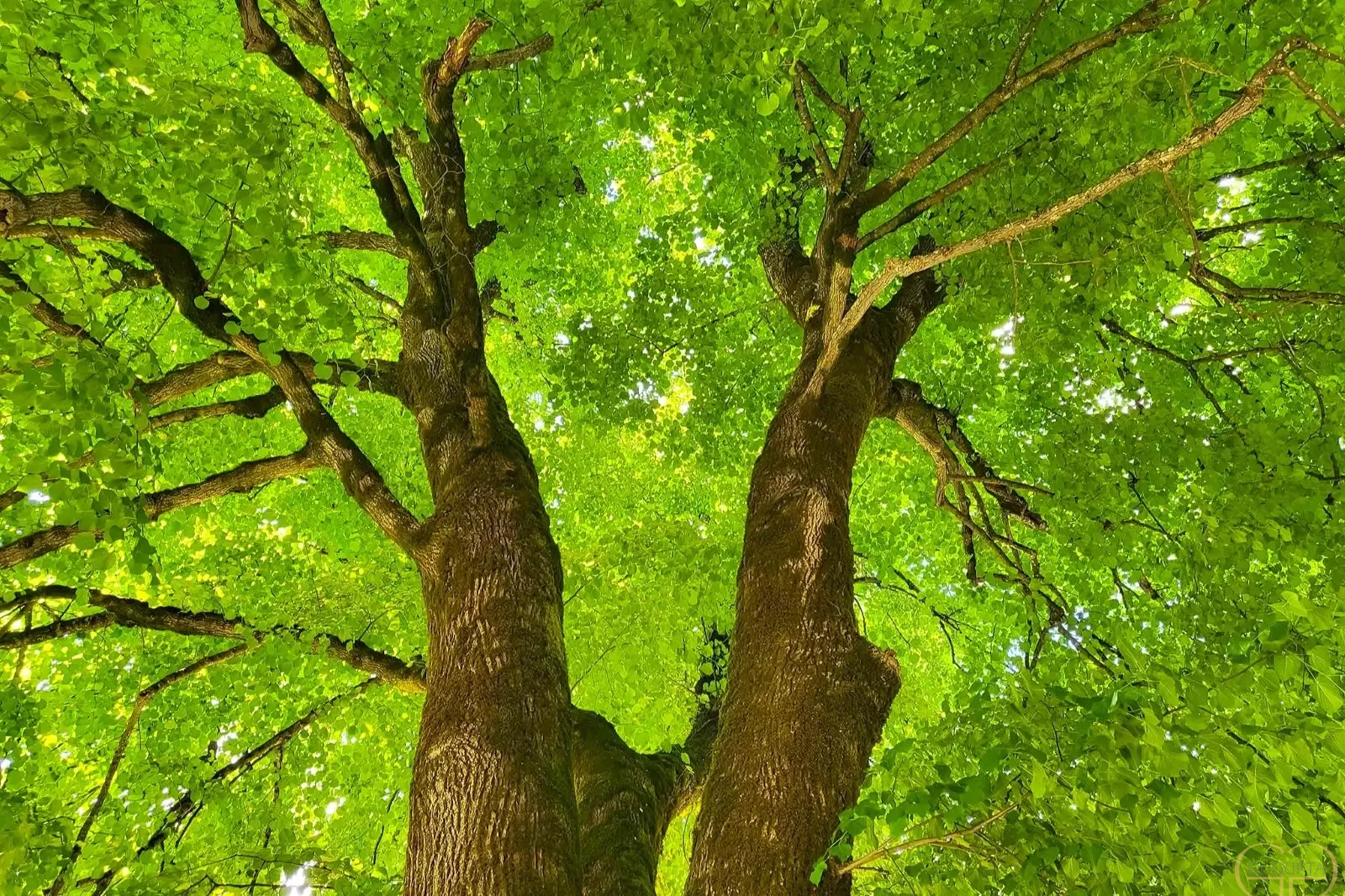
In spring, the most prominent element is WOOD. According to Tibetan medicine, Sowa-Rigpa, Wood is associated with two elements—the Ether and Air. In spring, when the energy of Wood prevails, life begins to awaken. We feel a stronger need for movement, food, socializing, falling in love, and starting something new. We ourselves begin to “breathe” in the rhythm of nature as it awakens and grows, clothing itself in beautiful shades of green.
In every human life, the element of Wood is also associated with the springtime of life, which lasts from birth to approximately the age of twenty. Much like plants, we grow physically during this period. We learn the most about the world and life in general, while trying to discover our role in the world.
During this stage of life, we become aware of our uniqueness and creative potential. If these qualities are not restricted or suppressed, they will reach their full expression during the next stage – the summer of our lives.
Just as a plant, nourished by water and sunlight, grows into a beautiful tree and ultimately produces abundant fruit, so we too, if we receive sufficient attention and support during this period – from parents, teachers, or society – and are allowed to be who we truly are, can grow into stable and self-aware individuals.
This enables us, in adulthood, to be highly productive, to express ourselves through the work we do, and to enjoy the results of our efforts in different ways. When the element of Wood is properly expressed, the goals we set for ourselves will continually lead us toward expansion and personal growth. Regardless of our circumstances, we will be able to see possibilities and redirect our lives toward new and desired realities.
Wood is also associated with change and new beginnings in life, which are possible during any stage of our lives – as nature reminds us every spring. People in whom this element functions optimally can, at any moment, leave behind outdated patterns of life – Samskaras – or old life structures when they recognize that these patterns have become exhausted and fulfilled their purpose. Even in mature years, they can remain capable of starting anew.
However, when this element is out of balance, we often remain trapped in uncomfortable comfort zones, and the same predictable reality may repeat itself day after day – and ultimately throughout our entire lives. Without a clear understanding of who we are and without becoming aware of and developing our creative potential, we cannot truly know what we are capable of or what we genuinely want.
Therefore, even when we are aware that we want something to be different, it can be difficult to identify what we actually want to change. We may struggle to set goals that lead to progress and find it even more difficult to move toward them.
As a result, we may become FULL OF ANGER – the fundamental emotion traditionally associated with the element of Wood—and much of our creative energy can become blocked within that anger. A “short fuse,” constantly blaming others and searching for someone responsible for what is not working, or suppressing anger and allowing it to boil inside us because of perceived injustice, are all considered clear signs of imbalance in this element.
Yet the anger that manifests in adulthood in various situations was often not created by those situations themselves. It may have originated during our formative years, particularly adolescence, when we were not allowed to express ourselves or be who we truly were.
Nevertheless, regardless of the state of this element within our system, balance can always be restored. This is one of the fundamental principles of Taoist spiritual philosophy, from which the practice of the Five Elements originates.
Wood and the Liver
In the human body, the element of WOOD is associated with the liver. In addition to its central role in regulating metabolism and the exchange of substances within the body, the liver is traditionally attributed with the function of distributing energy throughout the body. Energy is precisely what gives our system vitality.
This is why, in spring, when the liver is believed to become more active, we may feel better and more vital, experience increased energy, feel more prepared to put our plans into action, and experience a strong desire to change something in our lives.
At this time, however, we also have the natural support of the season. Therefore, spring is considered an ideal time to bring the element of Wood into balance and experience the benefits traditionally associated with such harmonization.
Meditation and the Element of Wood
Meditation, both still and movement-based, can be used to support the balancing of the Wood element. One particularly effective practice is Wu Tao dance, in which we visualize ourselves as a tree and then imitate the tree through dynamic dance movements.
During the practice, we firmly root ourselves into the Earth, nourishing ourselves with its gentle energy, which provides stability.
Receiving the support of the Sun’s energy – the Yang energy – we grow toward the sky. Our branches expand and develop a rich crown, symbolizing unrestricted movement and self-realization through creative expression.
Through dance and meditation, deeply suppressed emotions can be released with greater ease. Anger and rage are replaced by joy, which is considered our natural state and something we experience when energy flows freely and without obstruction.
A Dedication to a Forest Therapist
I dedicate this blog post to my dear friend and excellent forest therapist, Katarina Alič Čretnik, who often practices spiritual meditation for balancing the element of Wood – an approach traditionally believed to primarily support the liver and the release of anger within us.
Forest therapy, also known as forest bathing or Shinrin-Yoku, is a guided, slow method of mindful walking through the forest. Through sensory exercises and temporary disconnection from everyday life, it has been shown to reduce stress, support the immune system, and improve overall psychological and physical well-being.
Forest therapy originated in Japan, where it was developed in the 1980s as a natural preventive health practice. It is not a typical hiking excursion or sports activity, but rather a deeper form of contact with nature.
Ideal forest therapy during spring is the season of new growth and renewal, and in traditional medicine, it’s associated with the Wood element.
In Sowa-Rigpa theory, the wood element’s related meridian system pair is the Liver and Gall Bladder. Together, these organs are responsible for the smooth flow and blood in the body and regulates emotions.
They are our “first responder” channels to the stresses in our lives. The Wood element is all about growth, flexibility, and the ability to adapt to change. But when this element is out of balance, we can feel stuck, frustrated, and overwhelmed.
Spring is the perfect time to incorporate fresh, seasonal produce into your diet. Leafy greens, sprouts, and herbs are all great options for balancing the Wood element.
You can also incorporate sour and pungent flavors, like citrus and ginger, which help to support liver and gallbladder function and promote healthy digestion.
Milk thistle (herb) helps protect liver cells from incoming toxins and encourages the liver to cleanse itself of damaging substances, such as alcohol, medications, pesticides, environmental toxins, and even heavy metals such as mercury.
The Wood element is associated with growth, but it’s also about letting go of what no longer serves us.
Take some time to declutter your space, getting rid of any physical items that are holding you back. This could be old clothes, paperwork, or even relationships that are no longer healthy.
This allows for the free flow of energy, which is essential for maintaining a healthy balance in your environment. You can also incorporate the Wood element into your decor by adding plants, using green accents, and incorporating natural materials like wood and bamboo.
Spending time in nature is a great way to connect with the Wood element and support your overall health and wellbeing. Nature is abundant with Wood energy, from the trees and plants to the sounds of birds and other animals.
When we spend time in nature, we allow ourselves to disconnect from the stresses of daily life and connect with something larger than ourselves. This can be incredibly grounding and rejuvenating, helping to restore our sense of balance and wellbeing.
There are many ways to spend time in nature, from going for a walk in the park to hiking in the woods or spending time by the ocean. Even just sitting outside and listening to the sounds of nature can be incredibly soothing and calming.
By taking time to connect with the Wood element in nature, we can support our overall health and wellbeing during the Wood season and beyond. It’s important to prioritize time in nature as a way to support our connection to the natural world and promote a sense of balance and harmony in our lives.
Wood energy (Liver and Gallbladder) is about vision, both literally and figuratively. The ability to see your path ahead, not get bogged down in the day-to-day stresses, and to have a vision for your future are all Liver strengths.
A Liver that is too stuck and rigid may have trouble bending in the breeze so to speak, or being flexible enough to creatively work around Life’s roadblocks. Find things that help you clarify your vision – both day-to-day and your long-term goals.
The talking to a good friend, and meditating are all ways to keep your Liver energy flowing and your vision strong and flexible. Some ways to practice mindfulness include meditation, breathing exercises, and body awareness practices such as Yoga or Tai Chi.
By incorporating these practices into our daily lives, we can support balance in the Wood element and promote overall health and wellbeing.
A Simple Wood-Balancing Exercise
Stand upright. Keep your shoulders relaxed and your feet approximately shoulder-width apart. Bend your knees slightly so that you remain stable and comfortable.
Raise both arms to the level of your ribs. Your right hand should be positioned in front of your liver, while your left hand remains parallel to it, with the fingers of one hand pointing toward the fingers of the other. Turn your palms toward the sky.
Breathe deeply and empty your mind.
Remain in this position for as long as you wish or are able to – five, ten, twenty minutes, or longer. If you practice the exercise for approximately ten minutes every day throughout spring, you may begin to notice meaningful changes.
Before beginning the exercise, you may direct a question toward your higher intelligence – your inner identity
- “Who am I, and what do I truly want from life?”
Do not search for an immediate answer. Allow the answer to arise naturally and spontaneously, during the exercise or at any other moment.
Therapeutic writing should never replace professional medical care or diagnosis.
Understand that the abundance of the universe is available to everyone, Prof. dr. Smajo Safić Gupta

11. September 2026
21. August 2026

27. July 2026