Irritable Bowel Syndrome (IBS) : A Common Disorder of the Modern World
Modern Western medicine strongly confirms that many chronic health problems are rooted in the small and large intestines. The gut microbiome regulates nutrient absorption, metabolic function, and the immune system, meaning intestinal imbalances can trigger system-wide inflammation. The small and large intestines have distinct roles, and disruptions in either area can lead to specific health conditions. Small Intestine: This is the primary site for nutrient absorption. Problems here – such as Celiac disease or small intestinal bacterial overgrowth (SIBO) – can lead to severe nutritional deficiencies, chronic fatigue, and autoimmune responses. Large Intestine (Colon): This area is responsible for absorbing water and housing trillions of symbiotic microbes that ferment fiber into essential micronutrients. Common disorders include Irritable Bowel Syndrome (IBS), diverticulitis, and colitis.
A compromised intestinal lining or bacterial imbalance (dysbiosis) allows harmful substances to trigger inflammation throughout the body. The gut produces of the body’s “Happiness Hormone” nearly 95%. Is the collective name for four key chemical messengers in the body that regulate mood, motivation and feelings of well-being: Serotonin (Regulates mood and sleep); Dopamine (a reward hormone that brings motivation); Oxytocin (a hormone of love and bonding), and Endorphins (natural pain relievers). Because up 70% to 80% of immune cells live in the gut, intestinal health directly contributes to autoimmune diseases. Often called the “second brain,” the gut produces the majority of the body’s neurotransmitters, linking poor gut health to anxiety and depression. Intestinal microbes significantly affect calorie extraction and insulin regulation, playing a heavy role in obesity and type-2 diabetes.
Irritable bowel syndrome (IBS) is a widespread disorder in the Western world. It occurs three times more often in women and is often the source of gynaecological problems and hormonal cycle imbalance. In men, symptoms are often associated with chronic prostatitis. Irritable bowel syndrome is a very common gastrointestinal disorder associated with both loose and hard (constipated) stools. A compromised intestinal lining or bacterial imbalance (dysbiosis) allows harmful substances to trigger inflammation throughout the body. The herbal products prepared according to Dr. Gupta’s recipe are not a substitute for Western medicine! The described herbal products, according to Dr. Gupta’s prescription, are not available for sale. They are carefully formulated according to individual needs to support vitality and help maintain better health.
Ayurveda & Sowa-Rigpa and Western Medicine : A Complementary Approach
Traditional medicine never contradicts treatments recommended to a patient by their personal doctor or a specialist in Western medicine. Ayurveda and Sowa-Rigpa medicine have a holistic effect on the human body and achieve the best therapeutic results when combined with Western medicine. Conventional medicine, also known as Western or allopathic medicine, allows individuals to choose and have the right to use additional complementary traditional medicine recognized by the World Health Organization (WHO) to improve well-being or manage symptoms such as pain and nausea. Common examples include acupuncture, herbal products, massage therapy, meditation, yoga, deep breathing (pranayama), osteopathic manipulation, reflexology, and dietary guidelines prescribed by a traditional physician.
Ayurveda and Sowa-Rigpa emphasize that the root cause of nearly all diseases lies in the intestines. Traditional therapies and medicines are frequently integrated with standard medical care to support chronic pain management and improve overall well-being. These complementary approaches bridge ancient, nature-based practices with modern conventional treatments to help patients alleviate multidimensional discomfort. In traditional medicine, the gut is considered the root of overall well-being, and it shares a strong connection to hormonal health. While modern science identifies the intestines as producers of key hormones (such as serotonin) and as important regulators of systemic hormones, Ayurvedic medicine explains this connection through the concepts of Agni (digestive fire) and the Doshas.
With the rising prevalence of autoimmune diseases, the role of the environment, specifically the gut microbiota, in disease development has become a major area of study in both Western and Eastern medicine. Agni is the vital digestive fire responsible for breaking down food and governing overall metabolism. Ama refers to undigested, fermented, or toxic residue that builds up in the intestines when Agni is weak. According to Ayurvedic principles, the accumulation of Ama is the root cause of disease. To stop the source of disease, Ayurvedic medicine relies on holistic interventions aimed at restoring gut health. By focusing on the intestines, you treat the root cause of disease rather than merely suppressing surface symptoms. If a disease continues to recur despite treatment, it is often a sign that the underlying digestive imbalance has not been fully resolved.
How Dr. Gupta Creates a Personalized Herbal Formulation
To ensure a thorough consultation, please describe to [email protected] the specific symptoms or concerns you are experiencing, how long they have lasted, and any medical history or medications relevant to your intestines or related health conditions. A well-prepared clinical discussion allows for an accurate assessment of the situation and helps formulate the best path forward. After a consultation via WhatsApp at +38651308996 or through a Nadi Pariksha consultation, I will FIRST prescribe a dietary plan for you via email (for the first 6 months, followed by an additional 3-month program, and then a final 3-month program). Along with lifestyle changes, including dietary adjustments, a customized formulation of herbal products based on Dr. Gupta’s prescription is created for each individual to support vital health. The recipe, as an ingredient of the product, depends on the condition of each individual according to their physical and mental state – Vikruti.
Understanding Vikruti : Your Current State of Imbalance
Vikruti is an Ayurvedic term for one’s current, often imbalanced, state of health, derived from “Vi” (change) and “Kruti” (creation), meaning “after creation” or “altered state.” It represents the current, often distorted, state of the Tridosha (Vata, Pitta, and Kapha) due to lifestyle, diet, or environmental factors. It is the opposite of Prakruti (natural constitution). The analysis known as Nadi Pariksha in Ayurvedic medicine evaluates a person’s Vikruti-the current imbalance-to therapeutically help restore the body and bring it back to its Prakruti (natural state). A state of Vikruti is characterized by abnormal symptoms or disease resulting from imbalanced doshas. Additionally, each individual or family may opt into the Dr. Gupta Sushiveda therapy program. It is important to know that we aim for mutual cooperation based on the principle that prevention is better than treatment. What is especially important is that each person is supported during the use of the herbal products via [email protected] or WhatsApp at +38651308996.
Key Ingredients : 12 Beneficial Herbal Strains
The Panchakarma Vata, Pitta, and Kapha products, prepared according to Dr. Gupta’s prescribed recipe, contain an optimal number of beneficial strains (Pectinum, Silybum, Cuminum, Foeniculum, Coriandrum, Elettaria, Althaea, Linum, Zingiber, Trigonella, Aloe Vera, and Nigella) that help your intestines establish balance and healthy microflora, which in turn affects the health of your entire body. They help reduce fatigue, improve skin appearance, strengthen the immune system, support better liver health, and effectively protect against the development of atherosclerosis, heart and brain stroke, angina pectoris, and other cardiovascular diseases. The products are suitable for the European metabolism and environment, with an emphasis on sustainability and the high nutritional value of herbs derived from nature.
Vata Panchakarma – Calming the Nervous System and the Colon
The Vata body type is associated with 80 specific disorders, predominantly characterized by pain and nervous system imbalances. In Ayurvedic medicine, the therapeutic field of the Vata dosha encompasses the lower part of the body, specifically below the navel, including the colon (large intestine – the primary site of this dosha), pelvic organs, lower back, thighs, skin, ears, bones, and the nervous system. Vata acts as the driving force behind all movement, communication, and coordination within the body. This includes the pelvis, rectum, hips, thighs, and lower limbs. Vata governs nervous impulses, voluntary and involuntary movements, and sensory perception (especially hearing through the ears). Bones, particularly where degeneration occurs, are considered a seat of Vata. The lungs are a secondary site, regulated by Vata for inhalation and exhalation. For balancing Vata-related intestinal issues – which typically involve dryness, gas, constipation, and irregular digestion – Ayurvedic medicine recommends a combination of warming, unctuous (oily/moist), and nourishing prebiotics and probiotics. The goal is to calm the nervous system, lubricate the intestines, and promote healthy, diverse gut flora.
Pitta Panchakarma – Cooling Inflammation and Supporting Digestion
The Pitta body type is responsible for 40 types of diseases, typically related to heat, digestion, and inflammation. In Ayurvedic medicine, the anatomical and therapeutic field of the Pitta dosha encompasses all metabolic, enzymatic, and transformative activities in the body. It is primarily associated with the middle third of the body. This includes the small intestine (the primary site of the dosha), stomach, duodenum, and pancreas, where it governs digestion, absorption, assimilation, and the separation of nutrients. It also includes the liver and spleen, which are responsible for blood formation, pigmentation, and the regulation of metabolism. The eyes and retina are included, where Pitta controls vision and light perception. The skin is also involved, where it regulates body temperature (thermoregulation), skin coloration, texture, and complexion. Pitta influences the heart and grey matter, affecting mental functions such as intelligence, intellect (buddhi), understanding, discrimination, and willpower. It is also associated with blood, lymph, and sweat glands. For balancing Pitta-related intestinal issues – which typically manifest as excessive heat, acidity, heartburn, and loose stools – the goal is to cool the gut and support beneficial flora without triggering further irritation. Ayurvedic medicine recommends a combination of cooling fermented foods (probiotics) and nourishing fibers (prebiotics).
Kapha Panchakarma – Stimulating a Sluggish Gut
The Kapha body type accounts for 20 types of diseases, often linked to structural, fluid, and respiratory congestion. In Ayurvedic medicine, the anatomical and therapeutic field of the Kapha dosha encompasses the physical structures of the body, focusing primarily on stability, cohesion, lubrication, and anabolism (growth). It is responsible for building tissue, providing density, and ensuring the structural integrity of joints, organs, and cells. The upper body is its main domain, specifically the chest (the primary site of the dosha), head, neck, stomach, joints, fat tissue, and throat. Kapha governs the fluids that lubricate joints (synovial fluid), mucous membranes, and saliva, maintaining flexibility and reducing friction. It supports the heart and lungs, moistens food, and protects the stomach lining. In therapeutic settings, Kapha is managed by introducing heat, dryness, and stimulation to counteract its heavy, cold, and slow nature. It is responsible for taste perception, nourishes the sensory organs, and maintains stability of the mind. It provides lubrication and cushions the joints. Kapha also contributes to physical stamina, immune resilience, calmness, patience, and love. Kapha-related intestinal imbalances are typically characterized by slow digestion, a sluggish gut microbiome, weight gain, fatigue, and increased mucus or dampness in the gut. In Ayurvedic medicine, balancing Kapha focuses on stimulating, warming, and drying the gut rather than consuming heavy, sweet, or cold foods.
Ayurvedic DIY Suppositories : Ghee, Herbs, and CBD
Ayurvedic DIY suppository products, often referred to as “herbal pessaries” in holistic health, typically rely on a base of ghee combined with traditional Ayurvedic herbs to address issues such as dryness, inflammation, or infection. This traditional Ayurvedic ghee preparation is used for rectal or vaginal herbal suppositories to support healing and is inserted into the body through the rectum or vagina rather than taken orally. In fact, the word suppository comes from the Latin supponere, meaning “to place beneath.” The Ayurvedic DIY suppositories prepared according to Dr. Gupta’s prescribed herbal recipe are made from Ayurvedic medicinal ghee combined with powdered herbs (churnas) and medical-use CBD to deliver a medicinal effect both to the local tissues and systemically through the bloodstream.
Preventive Suppository (30 ml) – Daily Support and Maintenance
Ayurvedic DIY Suppository Products / Preventive Care! The product, according to Dr. Gupta’s prescription (30 ml), is recommended for preventive purposes. The suppository may help with conditions such as chronic fatigue syndrome; hot flashes due to reduced oestrogen production and disorders of low sexual desire; support for the balance of the endocannabinoid system, especially the central and peripheral nervous systems (including the entire spine); regulation of bodily condition in persons with poor appetite, mild pain, and stress; haemorrhoids; and problems affecting the small and large intestines, including obstruction and frequent constipation, particularly in persons with disabilities classified in categories 2 and 3. The product is also suitable for irritable bowel syndrome (IBS), excessive Candida growth, and anal fissures. It may serve as a preventive measure against peptic ulcers (ulcers of the stomach and duodenum) and ulcers of the lower oesophagus caused by acidic gastric juices).

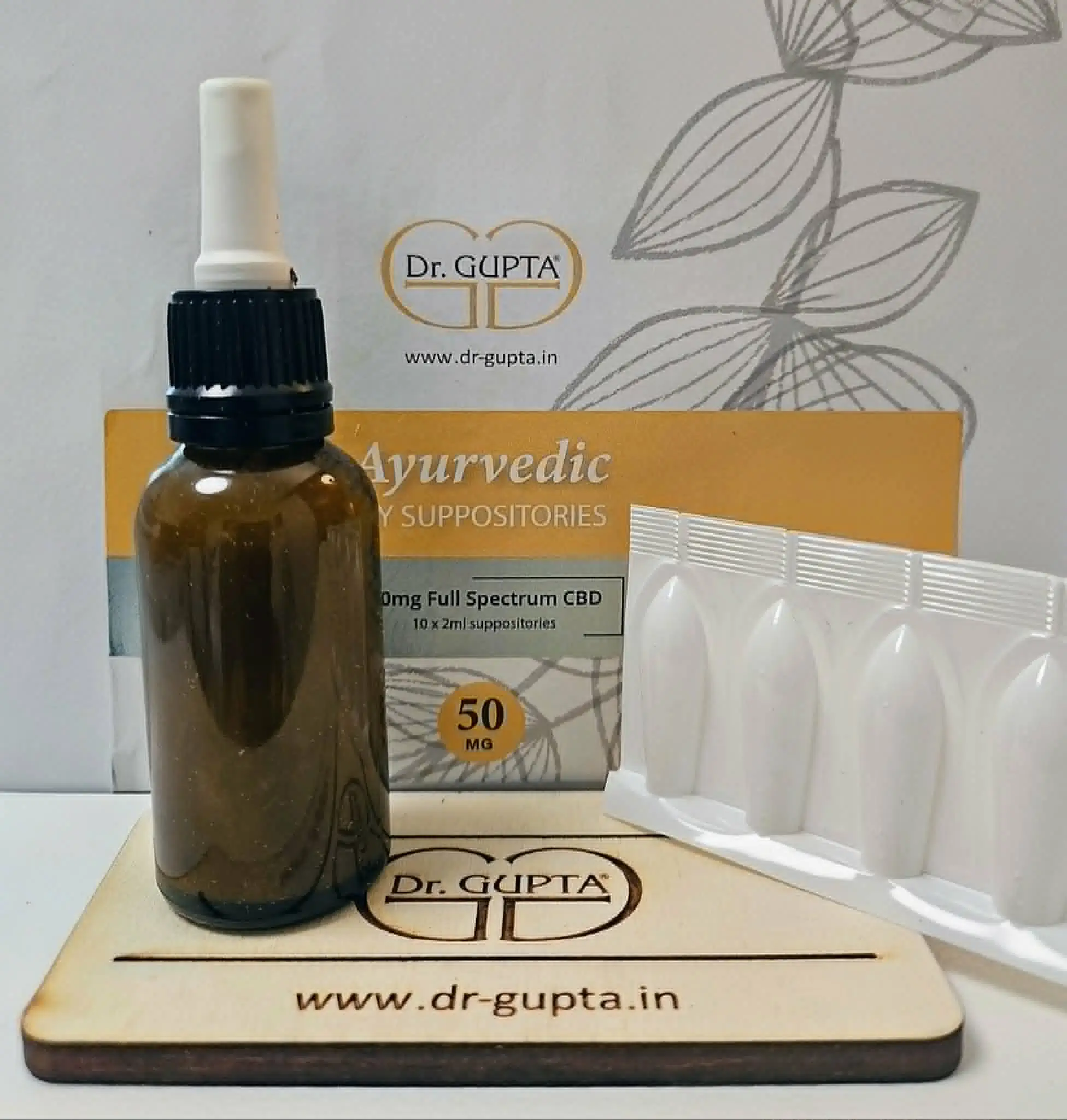
Curative Suppository (30 ml) – Targeted Therapeutic Use
Ayurvedic DIY Suppository Products / Curative Care! The product, according to Dr. Gupta’s prescription (30 ml), is recommended for curative purposes. The suppository may help support conditions involving the prostate, gynaecological therapies, precancerous changes of the cervix, other postpartum conditions, and disorders related to menstrual cycle timing, including absent, irregular, frequent, or painful menstruation. It may also be used in cases of vaginal dryness, fungal vaginal infections, menopause-related concerns, contraception-related concerns, lower abdominal pain, vaginal injuries associated with sexual intercourse or childbirth, and hormonal disorders such as polycystic ovary syndrome (PCOS) in women of reproductive age, including ovarian cysts and various causes of infertility. Common gynaecological concerns include vaginal inflammation and cervical changes; fungal and bacterial vaginal infections; itching of the external genitalia; thick, colored, or foul-smelling vaginal discharge; and lumps or other breast changes.
Vegan CBD Capsules : Stress, Inflammation, and Gut Comfort
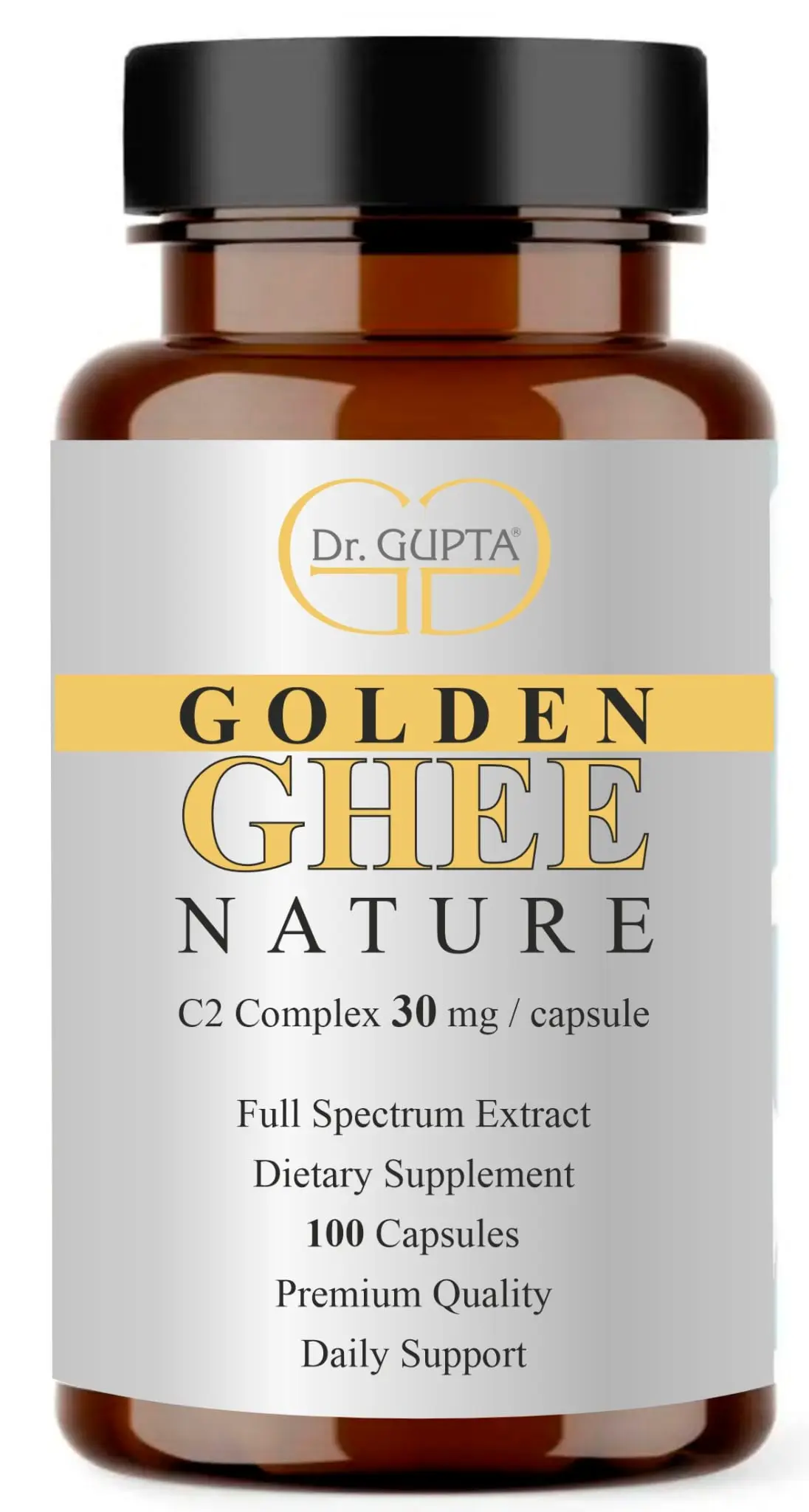
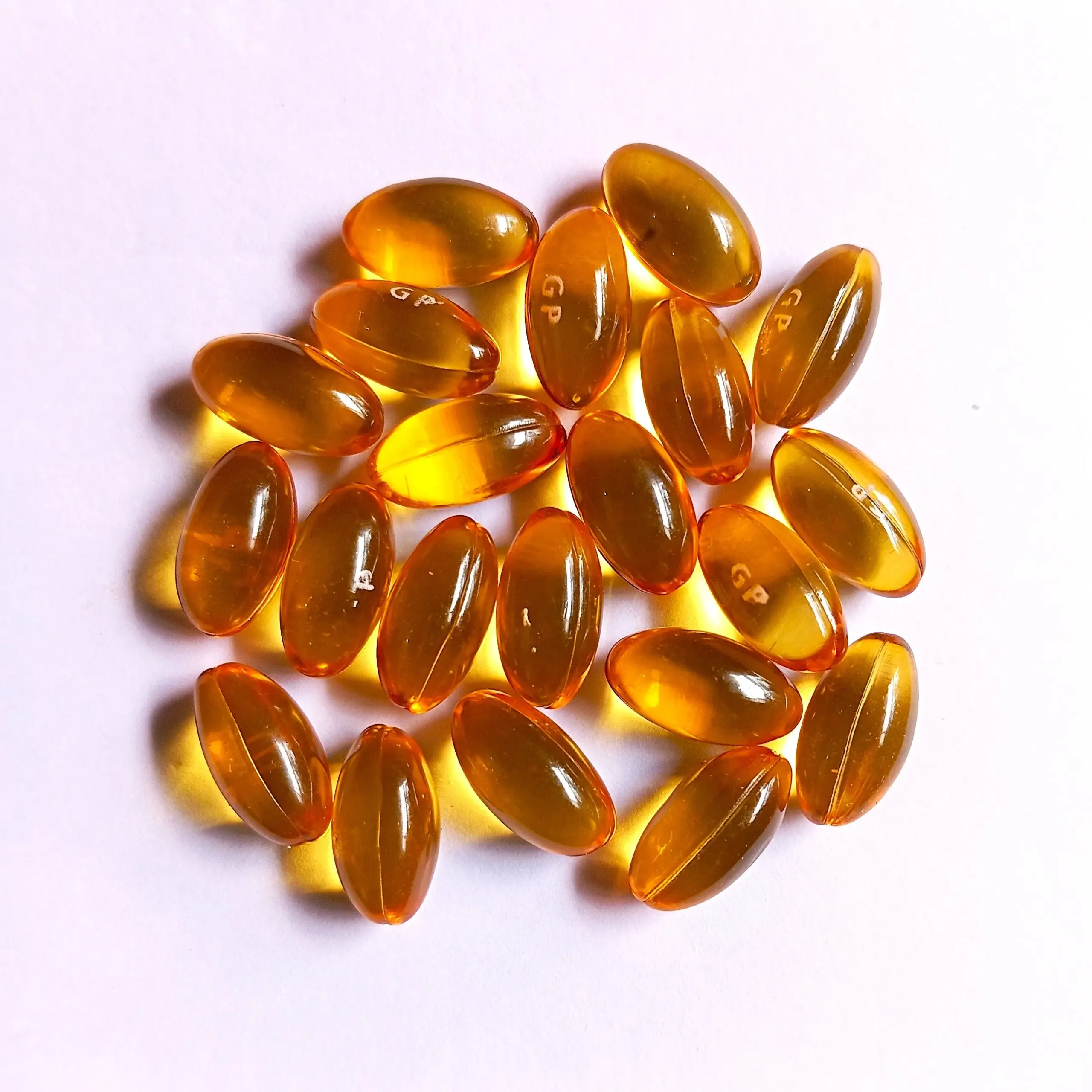
Vegan capsules prepared according to Dr. Gupta’s recipes contain traditional Ayurvedic ghee, frankincense and orange essential oils, and either full-spectrum or broad-spectrum CBD. They may also be enhanced with ingredients such as piperine (black pepper extract) to support absorption. Because many stomach issues are associated with anxiety, the calming effects of CBD may help manage digestive discomfort related to stress. Vegan CBD capsules are a popular plant-based option for digestive support, with research suggesting that CBD may help alleviate symptoms associated with gastroparesis, inflammatory bowel disease (IBD), and stomach pain by helping regulate inflammation and the endocannabinoid system within the gut. The preventive package contains 40 capsules, while the therapeutic package contains 100 capsules.
Important : Always Consult Both Your Ayurvedic and Primary Care Physician
The combination of Ayurvedic & Sowa-Rigpa and Western medicine may be therapeutically recommended for individuals with serious illnesses in order to achieve an optimal approach to health. Through Ayurvedic therapy, herbal products may provide supportive anti-inflammatory effects. Vegan CBD capsules may interact with certain medications, including blood thinners and diabetes medications, particularly in individuals with chronic digestive conditions. Therefore, decisions regarding their use should be made jointly by an Ayurvedic physician and a primary care physician.
How to Use the Product : Dosage and Application
According to the Ayurvedic recipe, the DIY suppository product based on Dr. Gupta’s prescription comes in two quantities: a larger bottle of 100 ml and a smaller one of 30 ml. When filling molds for suppositories, about 70% of the mass is used, leaving approximately 30% of the mass, which can be used for oral application. Use the dropper to measure the dose – take 3 drops before bedtime, hold briefly under the tongue (20–30 seconds), and then swallow (homeopathic approach). The final dose of 3–5 drops within 24 hours depends on each individual and should be determined in agreement with an choosing the right expert-physician for your situation.
Topical Use for Psoriasis and Rheumatoid Arthritis
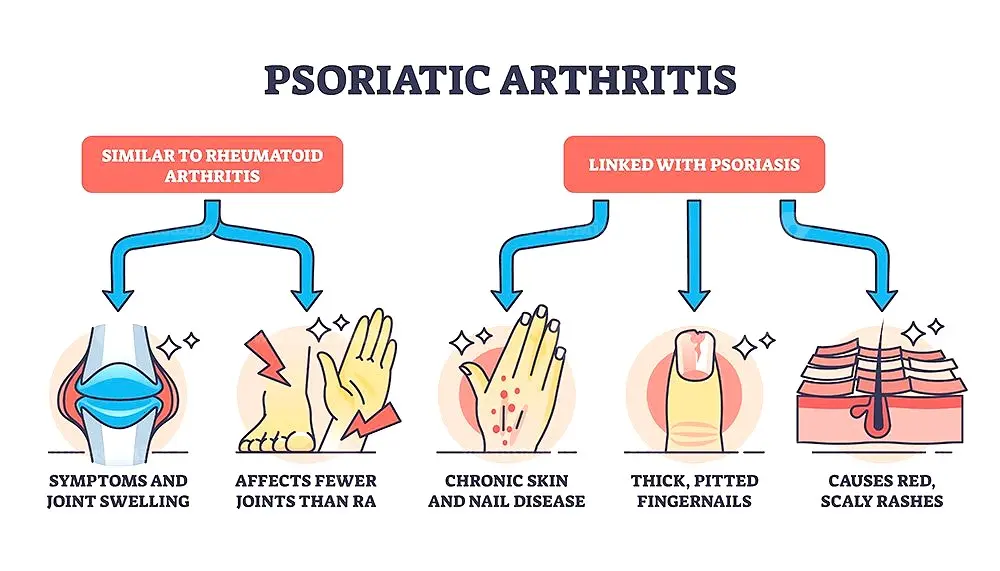
For conditions such as psoriasis and rheumatoid arthritis affecting the joints of the hands, elbows, and legs, this product may be used with the aim of supporting circulation and the elimination of toxins through the skin (stomach-related imbalance – Agni). For this procedure, prepare suppository molds using only half of the preparation (five molds to be used according to the described instructions and in consultation with an Ayurvedic physician), and apply the remaining half topically to the affected areas. The effectiveness of natural products depends on the severity of the chronic condition and the individual’s overall physical and psychological well-being. Dr. Gupta personally monitors the expected results for each individual.