Ghee
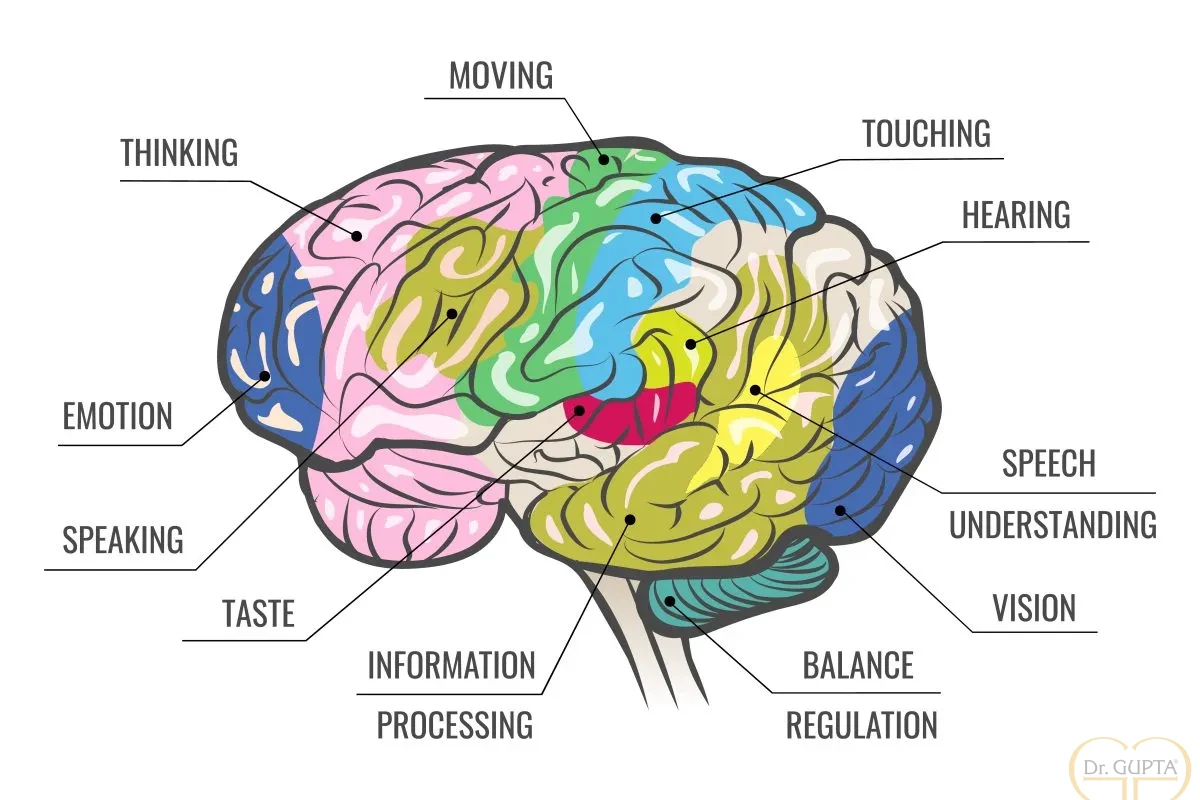
In Ayurvedic medicine, Ghee (clarified butter) is regarded as a powerful Rasayana (Rejuvenative) and a key carrier (Anupana). Due to its lipid structure, it is traditionally believed to carry the therapeutic properties of herbs deep into the body’s tissues. It is considered capable of balancing all three Doshas (Vata, Pitta, and Kapha) and nourishing the nervous system.
Because Ghee is fat-soluble and may cross the blood-brain barrier, it is traditionally regarded as an excellent base for delivering herbal medicines to the mind and organs. It stimulates Agni (digestive fire) and contains butyric acid, which supports intestinal health and helps reduce inflammation. And, finally, very importantly, Ghee is believed to build Ojas, the subtle essence associated with immunity, vitality, and longevity.
Ghee is produced from the milk of free-range cows that live naturally and follow high organic standards, even during the winter. The Ghee butter is produced entirely by hand, through a long cooking process over fire in quartz crystal vessels. Records of Ghee date back thousands of years, and its versatile uses and numerous beneficial properties were known even to our great-grandmothers.
By cooking raw butter, carbohydrates, proteins, water, impurities, casein, and lactose are removed, transforming it into a golden, transparent oil with a unique taste and aroma.
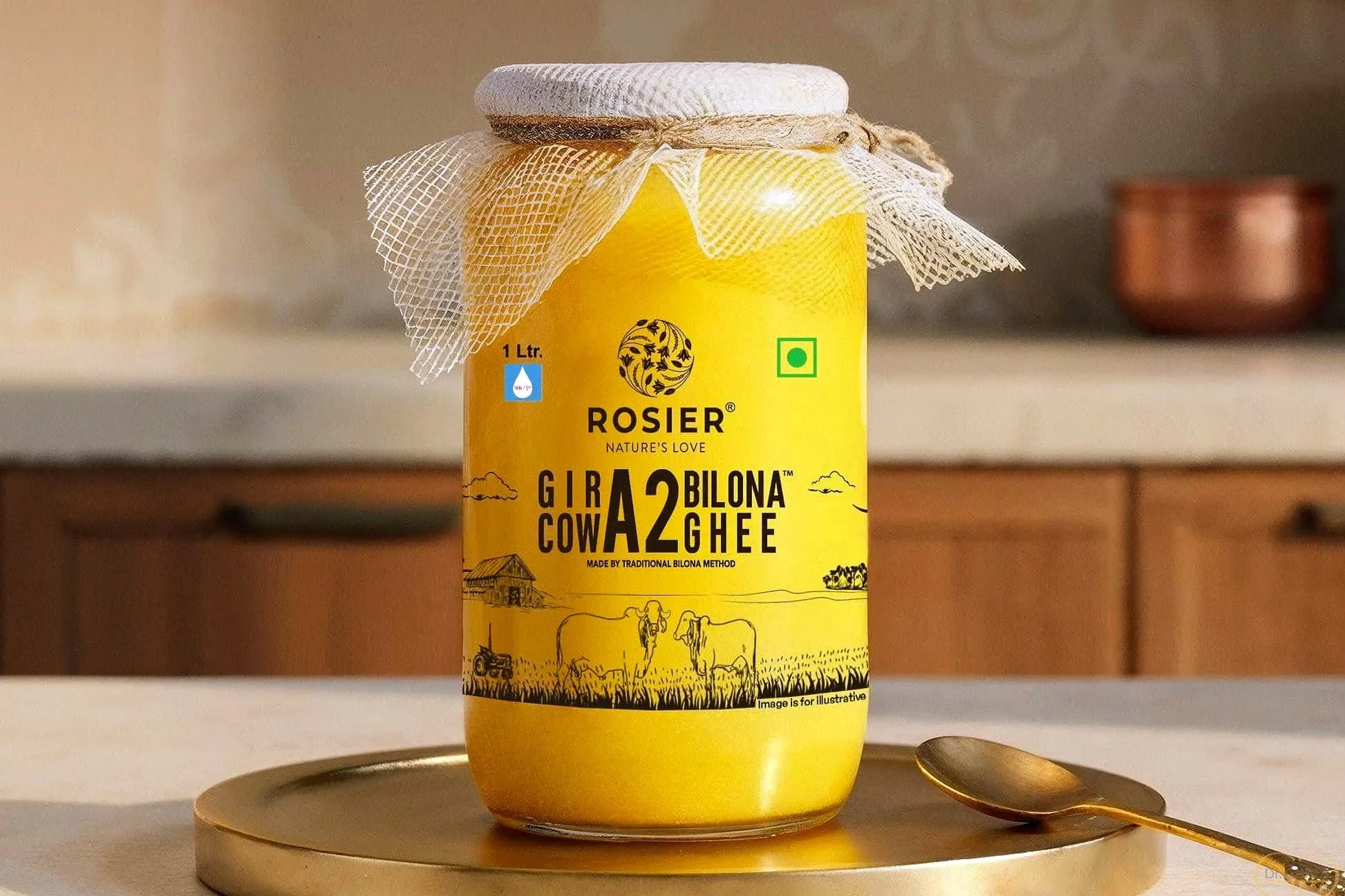
A2 Indian cow Ghee is a vital source of holistic nourishment and flavor, produced according to the ancient traditional Bilona method. The milk is first boiled and cooled. A spoonful of curd is added to the milk and left overnight at room temperature. The curd is then churned to obtain butter (Makkhan). The butter is heated so that the water evaporates, leaving behind the milk solids and pure Ghee.
The cow grazes freely in open pastures, allowing it to naturally select its food. The presence of plants such as Shatavari, Jivanti, Ashwagandha, and others in the cattle’s diet is traditionally believed to influence the quality of the milk and Ghee.
Gir cows produce an average of 6–8 liters of milk per day. Approximately 25–30 liters of milk are required to prepare 1 liter of A2 Gir Ghee, making it traditionally regarded as richer than other varieties.
The taste and color of A2 Gir Ghee vary from batch to batch because it is prepared in small quantities in earthen vessels under manual supervision. Furthermore, the cows’ feed often changes according to climatic conditions. This results in variations in the properties of the milk and its products, which are rich in proteins, including the amino acid proline.
A2 Gir Ghee, when consumed in prescribed amounts, is traditionally believed to help reduce cholesterol levels and is regarded in Ayurvedic tradition as beneficial for preventing cardiovascular blockages and supporting overall heart health.
How do we use Ghee, and what does Ghee mean in your life and within your family?
- For roasting spices or preparing vegetable dishes.
- As a spread on bread, either on its own or with jam.
- In desserts, pancakes, pralines, biscuits, and pastries.
- To enrich traditional side dishes such as millet, rice, mashed potatoes, sauces, pasta, porridge, and more.
- In warm beverages and as a morning spoonful for daily nourishment.
- As a medium for preparing cosmetics, including facial and neck creams.
Due to its high smoke point, Ghee is excellent for baking and frying at high temperatures while enhancing the flavor of food. It deepens and expands the taste of prepared dishes and contributes to the quality of ingredients used in unique culinary methods.
Ghee is easily digestible and free from unnecessary substances. Properly prepared Ghee contains no lactose, casein, water, or milk proteins and carbohydrates. It is traditionally prepared by slow, manual cooking, accompanied by attention to vibrations expressed through balanced Tesla waves, music, sacred geometry, and other holistic practices.
Finally, it is carefully poured by hand into glass jars, sealed, cooled under controlled conditions, and allowed to rest in a balanced environment.
Ghee is a nutritional source of vitamins A, D, E, and K, which contribute to bone health and support normal immune function. It is a maestro of culinary versatility, elevating almost every dish to another level. It acts as a culinary alchemist, enriching the flavors of spices and herbs.
Ghee is traditionally considered gentle on the digestive system and supportive of digestive function. It is suitable for keto and paleo dietary patterns because its nutritional composition aligns with these approaches. It provides fats and fat-soluble nutrients and can contribute to a balanced diet when consumed in moderation.
Aligned with positive sound vibrations, Ghee can also be incorporated into a holistic lifestyle. Ghee is more than simply an ingredient; it represents an emotional connection with tradition, balance, and timeless flavors.
Ghee has been highly valued in Ayurvedic medicine for more than 5,000 years because of its traditionally attributed therapeutic properties. Classical texts describe exceptionally aged Ghee, including Ghee aged for 100 years or more, as possessing extraordinary rejuvenating and healing qualities. Traditionally, it has been used in connection with severe skin conditions, neurological concerns, and deep tissue regeneration.
Bring love into your meals – experience the art of Milan Božić, who transforms Ghee butter into a golden elixir while preserving tradition in every drop. This text has been written through my own practice, and I can say from experience that Ghee can contribute to strength and vitality even after the age of 50.
This versatile ingredient has been an integral part of Indian cuisine for centuries and is used in a wide range of dishes, from sweet delicacies such as gajar ka halwa and gulab jamun to savory meals such as paratha, comforting dal tadka, and our favorite biryani.
Beyond enhancing the flavor of food, Ghee has also been associated with a number of potential health benefits. It has been an important component of Ayurvedic medicine for centuries because of its traditionally attributed therapeutic and nourishing properties for the mind and body. Some people use it as part of a weight-management diet, while others incorporate it into their routines for digestive support, intestinal health, skin and hair care, and general well-being.
Ghee contains fatty acids and fat-soluble vitamins such as A, D, E, and K. These nutrients contribute to normal skin and hair health. Traditionally, Ghee has also been applied to the hair and scalp to improve the feel and texture of the hair, nourish the scalp, and support overall hair care.
Ghee can provide moisture to dry skin. Its traditional use in skincare is associated with nourishing and moisturizing the skin and supporting a healthy, youthful appearance.
Ghee also supports digestion by providing dietary fat and may contribute to normal digestive function. Its fatty acids are metabolized by the body and can be incorporated into a balanced diet.
Ghee contains vitamins A, D, E, and K. Vitamins A and E have antioxidant functions, while vitamins A, D, E, and K each play important physiological roles in the body.
Ghee is traditionally valued in Ayurveda in relation to hormonal balance. Dietary fats are essential for normal hormone production, although there is not sufficient evidence to claim that Ghee itself directly increases estrogen production or treats hormonal disorders.
Ghee contains monounsaturated fats, and its overall fatty-acid composition can form part of a balanced diet. Consuming Ghee in moderation, as part of an overall balanced dietary pattern, may support cardiovascular health. However, because Ghee is high in saturated fat, excessive consumption is not recommended.
A few drops of warm Ghee are traditionally used in some Ayurvedic practices for nasal application. However, putting Ghee directly into the nose or eyes should only be done with appropriate professional guidance, as such practices are not established medical treatments and may carry risks.
Ayurveda considers Ghee an important component in supporting the development of the Sapta Dhatus, the seven fundamental tissues described in Ayurvedic physiology. It is traditionally regarded as capable of balancing Vata, Pitta, and Kapha when used appropriately according to an individual’s constitution.
Ayurveda recommends moderate consumption of Ghee as part of a balanced lifestyle and for supporting longevity. Above all, Ghee should generally be consumed in moderation as part of a healthy diet. It is always welcome to clarify what “moderation” means, so that no one overuses it with the intention of achieving health benefits.
THE WORLD’S MOST POPULAR GOLDEN DRINK – TURMERIC AND GHEE GOLDEN MILK
Golden Milk is traditionally described as a nourishing and rejuvenating drink, a balm for the soul and body. It is believed to nourish the body, calm emotional tension, support natural immune function, and promote a sense of peace, relaxation, and contentment. It is traditionally associated with supporting vitality, bone health, and digestion.
The active compound in turmeric is curcumin, which has been extensively studied for its antioxidant and anti-inflammatory properties. Research into its potential anticancer effects is ongoing, but it should not be presented as a cancer treatment.
Turmeric combined with black pepper is traditionally used to enhance the absorption of curcumin. Black pepper has a sharp and warming effect and is therefore commonly added to Golden Milk.
Golden Milk may have an anti-inflammatory dietary profile because of turmeric and its combination with black pepper. It is traditionally used as a supportive beverage for people experiencing joint discomfort and stiffness. It may complement a healthy lifestyle but should not replace medical treatment for inflammatory or rheumatic diseases.
The Golden Milk Recipe is a sleep aid that provides significant health benefits and helps up to 80% of clinical patients find lasting relief from debilitating conditions.
Preparation – ingredients for one person:
- 1 cup of cow’s milk, approximately 2 dl (cow’s milk can be replaced with almond milk, which is traditionally considered suitable for all three Doshas)
1 teaspoon of Ghee
1/3 teaspoon of turmeric
A pinch of black pepper
Sweetener to taste, such as maple syrup or jaggery.
Small amounts of cloves, cardamom, ginger, and bee pollen may also be added. If using whole spices or pieces of herbs, strain the drink before serving for a clear beverage.
Place the milk over heat and add the Ghee and spices. Stir continuously as the Ghee melts into the warm milk and bring it gently to a boil. Remove from the heat and allow it to cool to a comfortable drinking temperature.
Add the sweetener to taste, stir, and enjoy warm. The drink is traditionally enjoyed in the evening because adequate sleep is essential for physical, psychological, and emotional well-being. It may be particularly welcome as a calming evening beverage for people who have difficulty relaxing before sleep.
For our health, we also welcome the traditional “full moon fasting” recipe with tea and Ghee. In the morning, place one teaspoon of Ghee in the mouth or dissolve it in tea and drink it as a warm beverage, then wait until hunger returns. When hunger appears again, repeat: “tea and Ghee!”
During this practice, only one type of herbal tea is consumed, such as chamomile tea, linden tea, or nettle tea, according to one’s environment, individual constitution, and traditional understanding of Prana and metabolic balance.
Such a dietary practice, traditionally repeated around each full moon, is described as beneficial for the colon and metabolism and as a traditional approach to addressing obesity, a chronic condition characterized by excessive accumulation of body fat that can negatively affect health. However, fasting should be approached responsibly and is not appropriate for everyone.
If you would like the recipe for how to cook and prepare Ghee from your own locally sourced butter, write to me!
Understand that the abundance of the universe is available to everyone, Prof. dr. Smajo Safić Gupta

11. September 2026

21. August 2026

27. July 2026